Genomics of Liver Tumors
Jessica
ZUCMAN-ROSSI

We study 3 types of solid tumors using genomic approaches to better understand their molecular and clinical heterogeneity and develop new diagnostic and prognostic markers. For this we use the last advanced technologies in molecular biology associated to our expertise in bioinformatic.
The various activities of our lab and its members
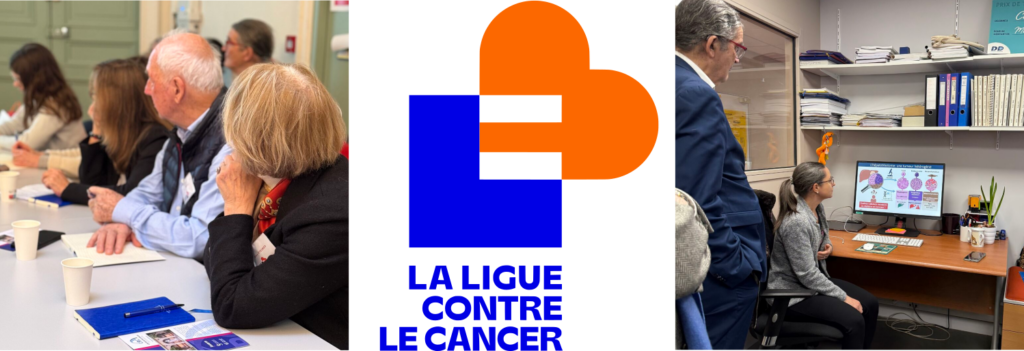
We welcomed the Ligue contre le cancer – Paris Committee and donors to discover the research projects they help fund.
Director Jessica Zucman-Rossi opened the event, followed by Prof. Pierre Laurent-Puig discussing researcher-patient partnerships and Chiara Maiuri presenting our technology platforms.
Our PhD students and postdocs guided visitors through four research areas, notably Sandra Rebouissou for Pediatric cancers.
These exchanges highlighted how donations directly support innovative research projects, early-career scientists, and cutting-edge equipment.
Thank you to the Ligue contre le cancer and all donors for your trust and commitment to advancing cancer research.
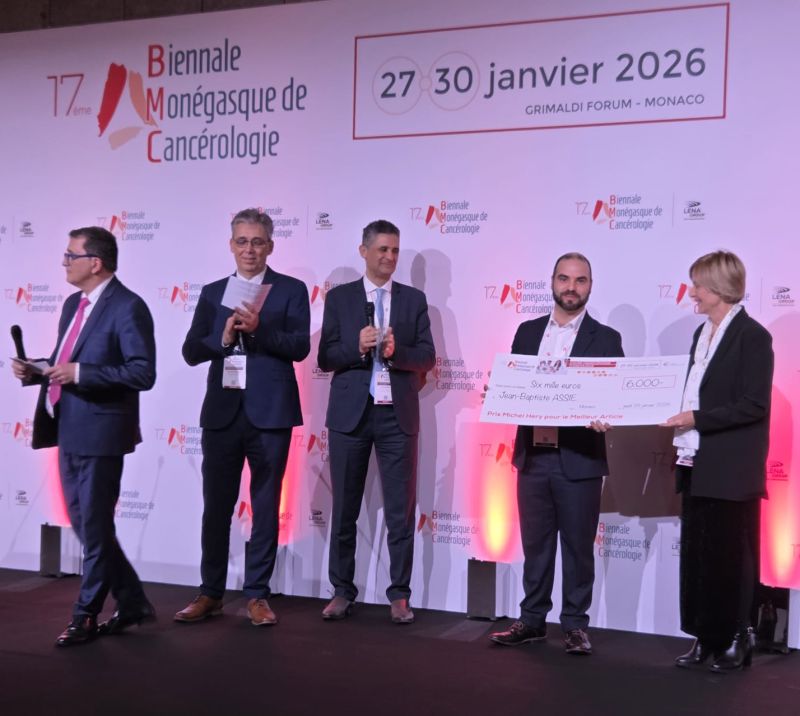
Jean-Baptiste Assié Receives Prix Michel Hery
We’re proud to highlight Jean-Baptiste Assié from Didier Jean’s team at the Centre de Recherche des Cordeliers, recently awarded the Prix Michel Hery at the 17th Monaco Cancer Biennial (MonacoCancero) for his work on pleural mesothelioma pharmacogenomics.
Breakthrough Research
Published in Cancer Research (2025), the study used an integrated pharmacogenomics approach on a large patient cohort, combining multi-omics analyses and high-throughput drug screening in collaboration with Université Paris-Est Créteil, Université Paris Cité, and Centre Léon Bérard.
Key Findings
The research identified several therapeutic vulnerabilities and highlighted entinostat as a promising treatment option, particularly in combination with anti-PD-1 immunotherapy, opening pathways for future clinical trials.
This award recognizes the Centre de Recherche des Cordeliers’ commitment to cancer research, the strength of scientific collaboration, and the importance of translational research bridging fundamental science and clinical application to better stratify patients and identify new therapeutic strategies.
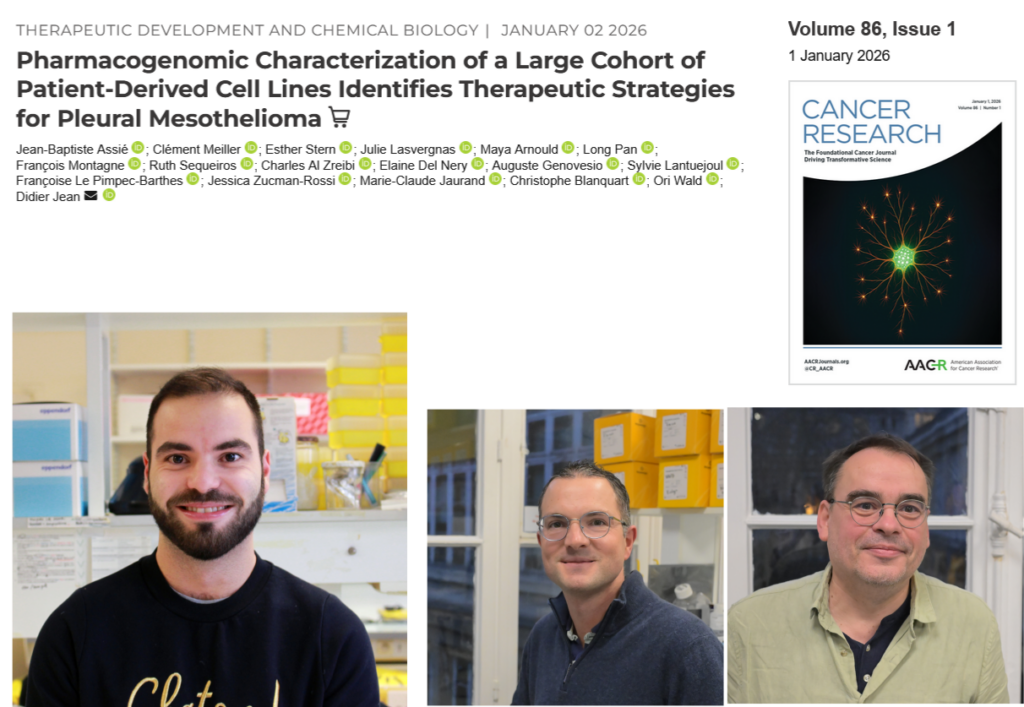
Pleural mesothelioma (PM) urgently requires effective treatments. This study aimed to identify potential therapies using a drug repurposing strategy in the context of the molecular heterogeneity of PM. We performed a multiomics study of a large cohort of patient-derived primary PM cell lines (n = 58) and conducted a multistep pharmacologic study starting with a large-scale drug screen with 1,327 compounds using 11 cell lines to select drugs of interest. Integrated multiomics analysis demonstrated that the molecular landscape of the cell line cohort recapitulates the main findings in tumors and revealed important features of PM. Large-scale drug screening identified 233 active compounds belonging to recurrent therapeutic classes. Subsequent validation of 35 compounds highlighted a subset of 12 compounds performing better than standard chemotherapy, including entinostat and fluvastatin, with therapeutic activity related to molecular sarcomatoid phenotype, BAP1 mutation, and YAP/TAZ activity. Importantly, both compounds displayed the same efficacy in 2D and 3D culture models, and a single treatment with entinostat improved survival in an immunocompetent mouse model compared with fluvastatin and standard cisplatin–pemetrexed chemotherapy, which showed similar antitumor effects. Strikingly, entinostat improved the efficacy of immunotherapy based on anti-PD-1 antibody. Combination of entinostat with anti-PD-1 even eradicated tumors in several mice and immunized them against retransplantation of tumor cells. Overall, the drug sensitivity data provided by this study represent a resource to facilitate future clinical investigations to improve the treatment of PM.
Significance. Pharmacogenomic characterization of a cell line biobank provides a valuable resource on drug sensitivity in mesothelioma and identifies entinostat as a promising therapeutic option, particularly in combination with immune checkpoint inhibitors.
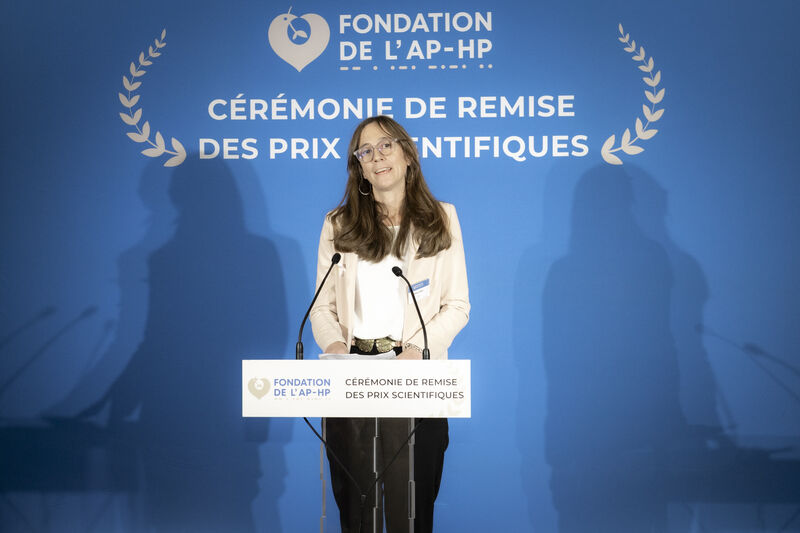
Congratulations to Professor Hélène Péré, 2025 Avenir Prize Winner!
The Centre de Recherche des Cordeliers is delighted to congratulate Professor Hélène Péré, recipient of the 2025 Avenir Prize from the Greater Paris University Hospitals Foundation – AP-HP!
This award recognizes her outstanding work on human papillomavirus-induced tumors, conducted within Professor Jessica Zucman-Rossi’s FUNGeST team. Her research on viral biomarkers opens new perspectives for diagnosing and managing (pre-)tumoral lesions, advancing translational research at the Centre de Recherche des Cordeliers.
Check out the interview here

This study is the first GWAS analysis that identified new genetic polymorphisms associated with the risk of hepatocellular carcinoma in European patients with high alcohol intake. It has enlightened the role of the WNT/ß-catenin in the early step of hepatocarcinogenesis. Clinical use to predict the risk of HCC in cirrhotic patients was validated by the team in 2023 (Nahon et al, JHEP, 2023, IF=30).

This is a seminal integrated genomic analysis of pediatric liver tumors that enabled to discover several alterations new cancer driver genes, frequent pre-neoplastic somatic mosaicism in young children with hepatoblastoma, new mechanisms of resistance to cisplatin with the involvement of cell plasticity. These results pave the field of transferring genomic data in clinical practice.

This study highlighted the intra-tumoral molecular heterogeneity at the anatomical level in mesothelioma that must be taken into account for the implementation of precision medicine. It supports the need to analyse multiple tumor samples at distinct anatomical sites in the pleural cavity to guide therapeutic choice.

This publication illustrates our contribution and our exceptional activity in research fields during COVID19 pandemic. Specifically, in this study, the sensitivity of the new SARS-CoV-2 variant Delta to antibody neutralisation was evaluated and proved to be reduced. This particular period has allowed us to establish very fruitful collaborations (Hadjadj J. et al., Science 2020; Planas D. et al, Nat Med 2021; Bruel T. et al.. Nature Med 2021; Planas D. et al. Nature 2022).<br />
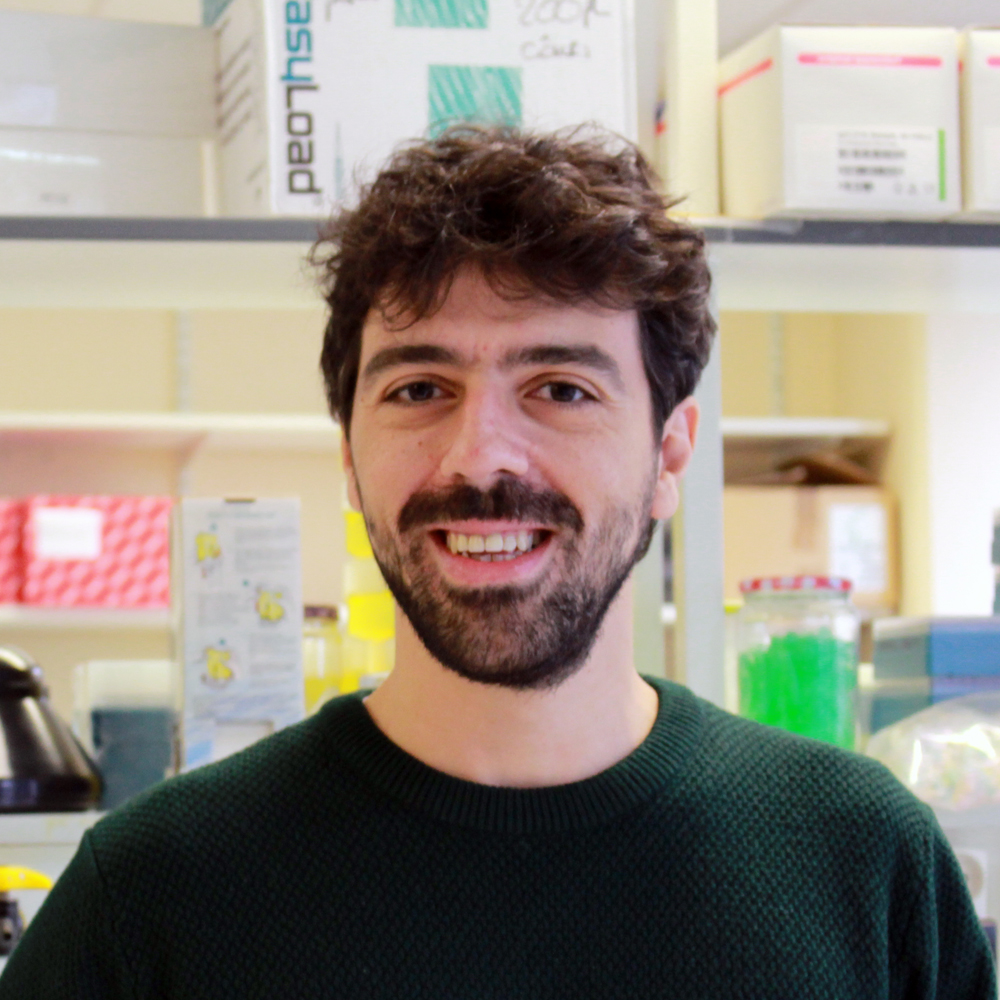
This work has demonstrated the power of screening 31 anti-tumor drugs on a large panel of 34 cell lines established from liver cancer patients. Integration with genomic, proteomic and transcriptomic data allowed the identification of new therapeutic targets linked to specific oncogenic alterations. This is seminal work for developing genomics-based precision therapies currently underway by JC Nault in clinical practice.

This study defined histo-molecular gradients that take into account both intra- and inter-tumor heterogeneity and propose a new way of thinking about the pathology of mesothelioma and more generally of cancer. The gradients are strongly associated with prognosis and can guide therapeutic strategies for mesothelioma.

This study is an important improvement of the molecular classification of hepatocellular adenoma we established in 2006 with the discovery of new molecular subtypes and tumor driver genes closely correlated to the clinical features of the patients. Based on this classification JC Nault developed a clinical trial (PHRC funding), and defined the relations with the hormonal context of the patients to refine the prevention of relapses (Demory et al, Hepatology 2022) and with specific phenotypes (Calderaro et al, NEJM 2018).