Projects

FunGeST Projects

We aim to develop scientific projects with specific objectives to integrate innovative tumor genomic characterizations with metabolism and immune response to identify new biomarkers and therapeutic targets useful for the patients. To this aim, we focus on 3 major types of cancer: liver, mesothelioma and renal carcinoma, in close collaboration with clinicians and pathologists. Thanks to our future moving at the Centre de Recherche des Cordeliers our team will benefit from close collaborations with other teams involved in Onco-Immunology, Metabolism and developing innovative genomic approaches.

Latest Publications

FunGeST latest publications


1: APC germline hepatoblastomas demonstrate cisplatin-induced intratumor tertiary lymphoid structures. Morcrette G, Hirsch TZ, Badour E, Pilet J, Caruso S, Calderaro J, Martin Y, Imbeaud S, Letouzé E, Rebouissou S, Branchereau S, Taque S, Chardot C, Guettier C, Scoazec JY, Fabre M, Brugières L, Zucman-Rossi J. Oncoimmunology. 2019 Mar 28;8(6):e1583547. doi: 10.1080/2162402X.2019.1583547. eCollection 2019. PMID: 31069152


2:Analysis of Liver Cancer Cell Lines Identifies Agents With Likely Efficacy Against Hepatocellular Carcinoma and Markers of Response.

Caruso S, Calatayud AL, Pilet J, La Bella T, Rekik S, Imbeaud S, Letouzé E, Meunier L, Bayard Q, Rohr-Udilova N, Péneau C, Grasl-Kraupp B, de Koning L, Ouine B, Bioulac-Sage P, Couchy G, Calderaro J, Nault JC, Zucman-Rossi J, Rebouissou S. Gastroenterology. 2019 May 4. pii: S0016-5085(19)36771-X. doi: 10.1053/j.gastro.2019.05.001. [Epub ahead of print] PMID:31063779


3: Polyploidy spectrum: a new marker in HCC classification. Bou-Nader M, Caruso S, Donne R, Celton-Morizur S, Calderaro J, Gentric G, Cadoux M, L’Hermitte A, Klein C, Guilbert T, Albuquerque M, Couchy G, Paradis V, Couty JP, Zucman-Rossi J, Desdouets C. Gut. 2019 Apr 12. pii: gutjnl-2018-318021. doi: 10.1136/gutjnl-2018-318021. [Epub ahead of print] PMID:30979717


4: Dynamics and predicted drug response of a gene network linking dedifferentiation with beta-catenin dysfunction in hepatocellular carcinoma. Gérard C, Di-Luoffo M, Gonay L, Caruso S, Couchy G, Loriot A, Castven D, Tao J, Konobrocka K, Cordi S, Monga SP, Hanert E, Marquardt JU, Zucman-Rossi J, Lemaigre FP. J Hepatol. 2019 Apr 3. pii: S0168-8278(19)30195-3. doi: 10.1016/j.jhep.2019.03.024. [Epub ahead of print] PMID:30953666


5: A 17-Beta-Hydroxysteroid Dehydrogenase 13 Variant Protects From Hepatocellular Carcinoma Development in Alcoholic Liver Disease. Yang J, Trépo E, Nahon P, Cao Q, Moreno C, Letouzé E, Imbeaud S, Bayard Q, Gustot T, Deviere J, Bioulac-Sage P, Calderaro J, Ganne-Carrié N, Laurent A, Blanc JF, Guyot E, Sutton A, Ziol M, Zucman-Rossi J, Nault JC. Hepatology. 2019 Mar 25. doi: 10.1002/hep.30623. [Epub ahead of print] PMID:30908678


6: Dissecting heterogeneity in malignant pleural mesothelioma through histo-molecular gradients for clinical applications. Blum Y, Meiller C, Quetel L, Elarouci N, Ayadi M, Tashtanbaeva D, Armenoult L, Montagne F, Tranchant R, Renier A, de Koning L, Copin MC, Hofman P, Hofman V, Porte H, Le Pimpec-Barthes F, Zucman-Rossi J, Jaurand MC, de Reyniès A, Jean D. Nat Commun. 2019 Mar 22;10(1):1333. doi: 10.1038/s41467-019-09307-6. PMID:30902996


7: Inhibiting Glutamine-Dependent mTORC1 Activation Ameliorates Liver Cancers Driven by β-Catenin Mutations. Adebayo Michael AO, Ko S, Tao J, Moghe A, Yang H, Xu M, Russell JO, Pradhan-Sundd T, Liu S, Singh S, Poddar M, Monga JS, Liu P, Oertel M, Ranganathan S, Singhi A, Rebouissou S, Zucman-Rossi J, Ribback S, Calvisi D, Qvartskhava N, Görg B, Häussinger D, Chen X, Monga SP. Cell Metab. 2019 May 7;29(5):1135-1150.e6. doi: 10.1016/j.cmet.2019.01.002. Epub 2019 Jan 31. PMID:30713111


8: Cyclin A2/E1 activation defines a hepatocellular carcinoma subclass with a rearrangement signature of replication stress. Bayard Q, Meunier L, Peneau C, Renault V, Shinde J, Nault JC, Mami I, Couchy G, Amaddeo G, Tubacher E, Bacq D, Meyer V, La Bella T, Debaillon-Vesque A, Bioulac-Sage P, Seror O, Blanc JF, Calderaro J, Deleuze JF, Imbeaud S, Zucman-Rossi J, Letouzé E. Nat Commun. 2018 Dec 7;9(1):5235. doi: 10.1038/s41467-018-07552-9. PMID:30531861


9: Fibroblast Growth Factor Receptor-2 Polymorphism rs2981582 is Correlated With Progression-free Survival and Overall Survival in Patients With Metastatic Clear-cell Renal Cell Carcinoma Treated With Sunitinib. Vanmechelen M, Lambrechts D, Van Brussel T, Verbiest A, Couchy G, Schöffski P, Dumez H, Debruyne PR, Lerut E, Machiels JP, Richard V, Albersen M, Verschaeve V, Oudard S, Méjean A, Wolter P, Zucman-Rossi J, Beuselinck B. Clin Genitourin Cancer. 2019 Apr;17(2):e235-e246. doi: 10.1016/j.clgc.2018.11.002. Epub 2018 Nov 16. PMID:30527746


10: Assessment of signaling pathway inhibitors and identification of predictive biomarkers in malignant pleural mesothelioma. Tranchant R, Quetel L, Montagne F, De Wolf J, Meiller C, De Koning L, Le Pimpec-Barthes F, Zucman-Rossi J, Jaurand MC, Jean D. Lung Cancer. 2018 Dec;126:15-24. doi: 10.1016/j.lungcan.2018.10.015. Epub 2018 Oct 16. PMID:30527180


More on PubMed

Genomics of Liver Tumors

FunGeST lab – an insight into liver tumors genomics

Group Leader

Jessica ZUCMAN-ROSSI
PUPHex University Paris 5

MD, PhD

Actual Projects

Role of viral infection and integration in liver carcinogenesis

Collaborators: S Imbeaud (IR), C Peneau (PhD st), T La Bella (PhD st), J Zucman-Rossi (PUPH);

Involvement of pathogen agents in human carcinogenesis remain to be investigated. Our recent identification of AAV2 as the fourth virus involved in insertional mutagenesis prompt us to develop a project to evaluate consequences of HBV, HCV and AAV infections in liver tumorigenesis by integrating the analysis of viral and tumor genome alterations. Our aim is to reconstruct the natural history of the viruses (genome variation, replication, structural alterations, selection…) in the context of tumor cell selection in patients putatively treated by antiviral therapies or exposed to multiple pathogens. We will also search for additional pathogens in WGS data and collaborate with the international ICGC viruses project.

Fundings: LNCC, ANRS, Biomerieux Foundation

New molecular subtypes and cancer driver genes in pediatric liver tumors

Collaborators: G Morcrette (PhD st), E Letouzé (CR Inserm), J Pilet (PhD st), S Imbeaud (IR), G Couchy (IE, PhD st), Julien Calderaro (pathologist), JC Nault (MCUPH), J Zucman-Rossi (PUPH); in cooperation with SIOPEL,

Most of pediatric liver neoplasms are poorly analyszed at the genomic and molecular level. They include hepatocellular carcinomas (HCC), fibrolamellar carcinomas (FLC), hepatoblastomas (HB), transitional liver cell tumors (TLCT) and also benign neoplasms, hepatocellular adenomas (HCA) and focal nodular hyperplasias (FNH). We aim to perform an integrated genomic analysis of these pediatric hepatocellular tumors to better understand their mechanism of tumorigenesis. To this purpose, we have collected a series of 193 patients with pediatric frozen liver tumors part of the national HEPATOBIO tumor resource. Within this series, 48 cases/67 frozen tumor samples have been selected for whole genome sequencing (WGS) and RNA sequencing (RNAseq) within the GEPELIN project funded by France Génomique for the WGS part. Our specific aims are to (1) identify putative driver genes altered in pediatric tumors and validate them functionally (2) perform new transcriptomic classification to derive new altered pathways and diagnostic/prognostic markers, (3) characterize the mutational and chromosome rearrangement signatures to identify new mechanism of carcinogenesis (4) search for therapeutic targets. These results will be compared with the adult liver tumors data that we have accumulated in the lab.

Fundings:  LNCC, France Genomique.

Innovative genomic data integration to decipher the interaction between risk factors, endogeneous cellular processes and genomic alterations in liver carcinogenesis

Collaborators: E Letouzé , J Shinde , S Imbeaud (IR), L Meunier (PhD st), Q Bayard (M2), T Hirsch (Post-doc), J Zucman-Rossi (PUPH

In the last 5 years, we have generated large genomic data sets including 350 tumors analyzed by whole exome sequencing, 270 by RNA-seq, 250 by methylation arrays and 100 by whole genome sequencing. We will use this exceptional resource to unravel key questions in the natural history of liver cancers. (1) What mutational processes drive tumorigenesis? We have so far identified 10 point-mutation signatures associated with known (aflatoxin B1, tobacco) or unknown mutagenic processes in liver cancers. We will extend these analyses to signatures of indels and structural rearrangements, and perform a meta-analysis of all published liver cancer data sets to unravel the association of signatures with risk factors and predisposing variants. (2) What are the missing drivers in liver cancers? Analysis of coding mutations by us and others revealed tens of driver genes and pathways but 30% of tumors still have no identified driver event. In order to identify non-coding driver alterations, we will use whole genome and RNA-seq data to systematicallly screen for mutations and structural rearrangements modifying regulatory regions, chromatin context and 3’ UTR sequences and affecting mRNA expression and stability. (3) How to the genomic, epigenomic and transcriptional layers interact in tumor cells? We will develop innovative strategies to unravel the connexions between genomic alterations, DNA methylation and gene expression profiles. (4) What is the timing of genomic alterations along tumorigenesis? We and others have developed statistical approaches to time mutational signatures, copy-number alterations and driver events in the life history of a cancer using intra-tumor heterogeneity. We will conduct an ambitious project to analyze the evolution of genomic, transcriptional and micro-environment features in 25 patients with multiple samples along the treatment.

Fundings: Cancer environment, HTE HETCOLI, France Genomique, Canceropole

Genetic predisposition to benign and malignant liver tumors

E Letouzé (CR Inserm), P Nahon (PUPH), E Trepo (Post-doc), J Yang (Ph st), JC Nault (MCUPH), Zucman-Rossi (PUPH)

Candidate gene studies have uncovered a limited number of variants reproducibly linked to hepatocellular carcinoma (HCC). The HECAM project aims to identify newgermline variants predisposing to HCC in the French population and to test their ability to modify patient care in clinical practice. Therefore, a genome-wide association study will be performed in a multicenter cohort of chronic liver disease patients with (n = 2,066) and without (n = 2,666) HCC using the Illumina Infinium Global Screening Array including ~ 660,000 markers). Validation of the top variants will be performed in two French replication cohorts of cirrhotic patients included in HCC surveillance programs (n = 2,249). The performance for HCC risk stratification will be finally assessed through integration of genetic information into specific algorithm-based prediction models. An original integrative approach including somatic information already generated will be used for prioritizing variants impacting liver carcinogenesis. Finally, genotype-phenotype associations will be performed to build prognostic models. We also plan to analyze benign liver tumors to search for genetic predisposition to the development of hepatocellular adenoma in a cohort of 500 patients with in parallel an epidemiological study.

Fundings: HECAM, ANRS, AFEF

Team

Biologists

Massih NINGARHARI
Visiting Professor

MD, PhD

Patricia DE LA CRUZ OJEDA
Postdoctoral researcher

PhD

Long PAN
Postdoctoral researcher

MD, PhD

Louisa STERN
Postdoctoral researcher

MD, PhD

Noémie URVOY
IE CDD
Shuosho JIN
PhD student

Clinicians

Nathalie GANNE
MD
PUPH2 University Paris 13
Pierre NAHON
MD
PUPHex Univeristy Paris 5
Marianne ZIOL
MD
PUPH1 University Paris 13
Olivier SEROR
MD
PHUP2 University Paris 13

Fundings

Latest Publications

APC germline hepatoblastomas demonstrate cisplatin-induced intratumor tertiary lymphoid structures. Morcrette G, Hirsch TZ, Badour E, Pilet J, Caruso S, Calderaro J, Martin Y, Imbeaud S, Letouzé E, Rebouissou S, Branchereau S, Taque S, Chardot C, Guettier C, Scoazec JY, Fabre M, Brugières L, Zucman-Rossi J. Oncoimmunology. 2019 Mar 28;8(6):e1583547. doi: 10.1080/2162402X.2019.1583547. eCollection 2019.

Genomic Medicine and Implications for Hepatocellular Carcinoma Prevention and Therapy. Dhanasekaran R, Nault JC, Roberts LR, Zucman-Rossi J. Gastroenterology. 2019 Jan;156(2):492-509. doi: 10.1053/j.gastro.2018.11.001. Epub 2018 Nov 4. Review.

Systemic AA Amyloidosis Caused by Inflammatory Hepatocellular Adenoma. Calderaro J, Letouzé E, Bayard Q, Boulai A, Renault V, Deleuze JF, Bestard O, Franco D, Zafrani ES, Nault JC, Moutschen M, Zucman-Rossi J. N Engl J Med. 2018 Sep 20;379(12):1178-1180. doi: 10.1056/NEJMc1805673.

Argininosuccinate synthase 1 and periportal gene expression in sonic hedgehog hepatocellular adenomas. Nault JC, Couchy G, Caruso S, Meunier L, Caruana L, Letouzé E, Rebouissou S, Paradis V, Calderaro J, Zucman-Rossi J. Hepatology. 2018 Sep;68(3):964-976. doi: 10.1002/hep.29884. Epub 2018 Jun 6

Mutational signatures reveal the dynamic interplay of risk factors and cellular processes during liver tumorigenesis. Letouzé E, Shinde J, Renault V, Couchy G, Blanc JF, Tubacher E, Bayard Q, Bacq D, Meyer V, Semhoun J, Bioulac-Sage P, Prévôt S, Azoulay D, Paradis V, Imbeaud S, Deleuze JF, Zucman-Rossi J. Nat Commun. 2017 Nov 3;8(1):1315

Pro-angiogenic gene expression is associated with better outcome on sunitinib in metastatic clear-cell renal cell carcinoma. Beuselinck B, Verbiest A, Couchy G, Job S, de Reynies A, Meiller C, Albersen M, Verkarre V, Lerut E, Méjean A, Patard JJ, Laguerre B, Rioux-Leclercq N, Schöffski P, Oudard S, Zucman-Rossi J. Acta Oncol. 2018 Apr;57(4):498-508. doi: 10.1080/0284186X.2017.1388927. Epub 2017 Nov 2

More on Pubmed

Mesothelioma

Mesothelioma – the 2nd expertise of FunGeST

Group Leader

Didier JEAN
CR1 Inserm

PhD

Actual Projects

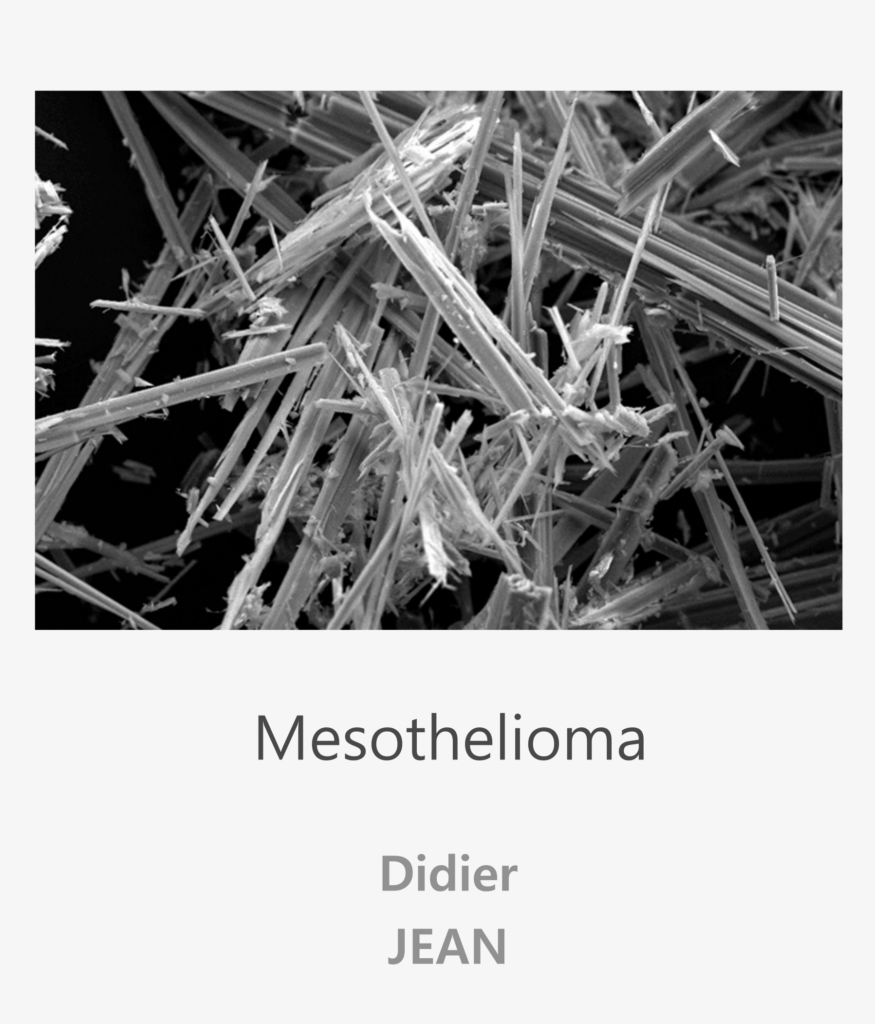
Pleural mesothelioma is a rare tumor mainly linked to asbestos exposure, characterized by a poor prognosis and an urgent need for precision medicine strategies. Therefore, predicting response to current treatments and developing new therapies that account for the molecular and cellular heterogeneity of pleural mesothelioma is crucial. To meet these challenges, we are focusing our research on 3 major axes:

(1) Deciphering intra-tumour heterogeneity: Single-cell omics and emerging spatial omics approaches will help define the tumour cell subpopulations present in a single biopsy. This will allow us to better understand their plasticity and phenotypic evolution, as well as to dissect the landscape of immune and stromal cells composing the tumour microenvironment.

(2) Developing therapeutic strategy: Functional screening using knockdown and knockout approaches, along with pharmacogenomics studies using our large patient-derived primary cell line biobank will lead to the identification of new therapeutic targets and new effective anti-tumour drugs that consider the phenotypic diversity of tumours.

(3) Identifying biomarkers of response to treatment: We will uncover signatures or biomarkers that predict response to treatment through multi-omics integrated analysis of tumor sample collection from patients enrolled in clinical trials or treated in real-life settings.

These projects are carried out in partnership with several clinical departments and associations. Close collaborations with other research laboratories allow us to explore areas such as the contribution of specific immune subpopulations to treatment resistance in preclinical models, and the identification of risk factors for pleural mesothelioma beyond asbestos exposure.

Past Works

Our research works has contributed to a better understanding of the molecular alterations but more importantly of the molecular heterogeneity of pleural mesothelioma. We were the first to propose a molecular classification of pleural mesothelioma that goes beyond the histologic classification and identifies specific molecular subtypes linked to mutational status. We also proposed a novel way to describe mesothelioma heterogeneity as a continuum using histo-molecular gradients that consider the main histologic types (epithelioid/sarcomatoid). We highlighted that these histo-molecular gradients identify tumours classified epithelioid at the histologic level, which are engaged towards the sarcomatoid phenotype. They do have strong prognostic value and may guide therapeutic strategies. Recent works have contributed to a better description of pleural mesothelioma anatomic intra-tumour heterogeneity. Importantly, we revealed genetic heterogeneity involving the major tumour suppressor gene NF2, as well as“hot” and “cold” immune profile of the tumour microenvironment depending on tumour positions in the thoracic cavity. Our results support the need to analyse multiple samples from distinct anatomical sites in order to estimate the prognosis or implement precision medicine strategies.

de Reynies et al, Clinical Cancer Research, 2014; Tranchant et al, Clinical Cancer Research, 2017; Blum et al, Nat Commun, 2019 ; Meiller Genome Med. 2021.  


Fundings

Team

Marie-Claude JAURAND
DR Inserm - Volunteer Sorbonne Université

PhD

Email
Françoise LE PIMPEC BARTHES
PUPH - HEGP AP-HP

MD, PhD

Email
Clément MEILLER
IE Inserm
Email
Jean-Baptiste ASSIE
MCU-PH CHI Creteil

MD, PhD

Guillaume TOSATO
Postdoctoral researcher

PharmD, PhD

Maya ARNOULD
PhD student
Khawla BENNANI ZIATNI
PhD student

-

Camille BOANO
M2 student
Read More